Multi-UAV System Scheduling for Delivery Operations
I am developing mathematical models and simulation tools for multi-UAV task allocation and coordinated routing, with a focus on scheduling strategies and fleet performance.
Transportation Systems × Optimization × Multi-Agent Coordination
I am a Transportation Engineering undergraduate at Tongji University, currently studying Civil and Environmental Engineering at UC Berkeley through a joint program. I am interested in using optimization and simulation to study how vehicles and transportation systems work together.
01 · Intelligent RailReal-time train decision support
02 · Urban MobilityMetro travel-time reliability
03 · TRB 2024Perception and driving behavior
My work spans transportation decision support, reliability analysis, cooperative perception, queueing simulation, multi-UAV scheduling, and open digital twins. The case studies distinguish team results from my own contribution.

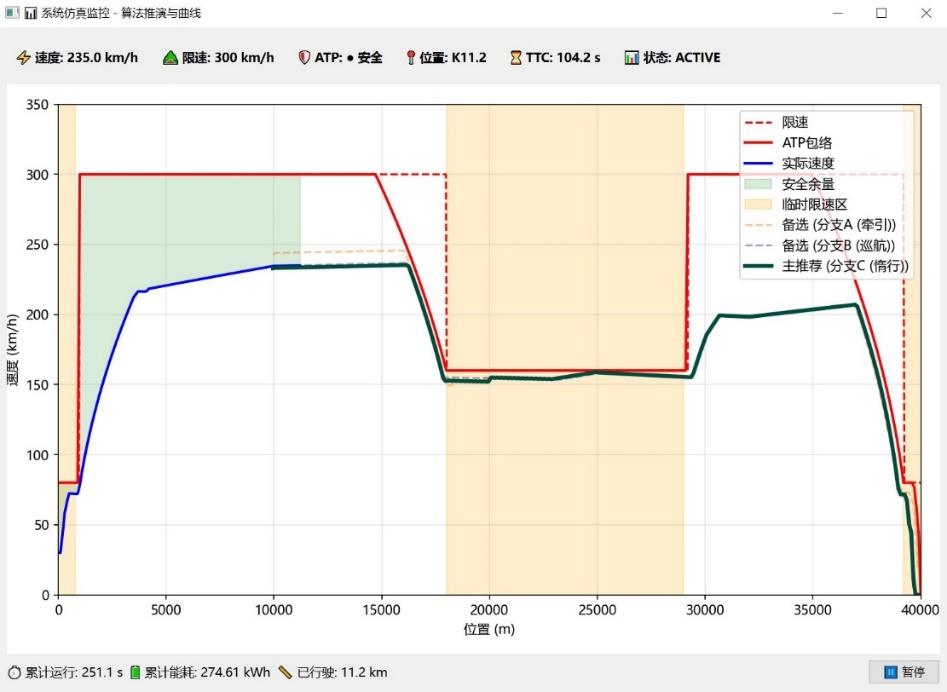
Our team combined dynamic programming and behavior cloning to provide real-time driving advice. I implemented SHAP-based attribution for the LightGBM model developed by teammates and translated its outputs into interpretable advice for train operators.
Image preview: the original monitoring interface combines the line speed limit, ATP safety envelope, actual and predicted speed trajectories, and the active temporary-restriction region.

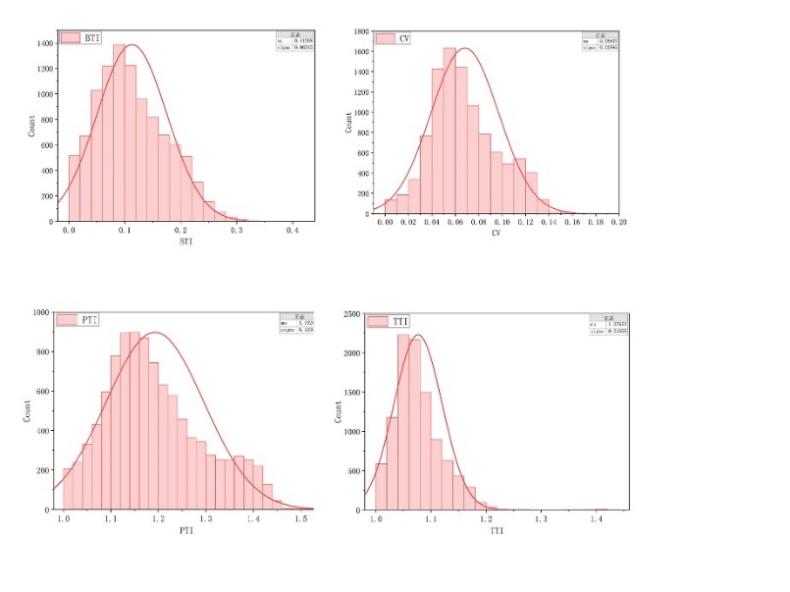
I processed more than eight million Shanghai Metro smart-card records, implemented and validated four reliability indicators, and used anomaly detection and regression to examine unreliable origin–destination pairs.

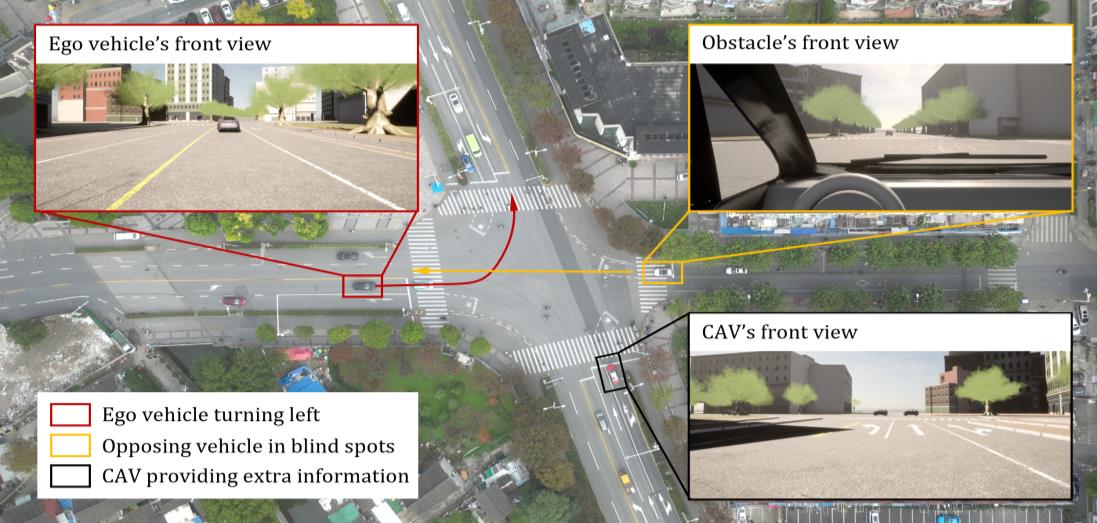
I used Tracker to extract vehicle trajectories from left-turn scenario videos, then calculated speed, acceleration, Modified Time-to-Collision, and related surrogate safety indicators to compare scenarios and perception modes.
103rd Transportation Research Board Annual Meeting · January 7–11, 2024 · Washington, D.C.

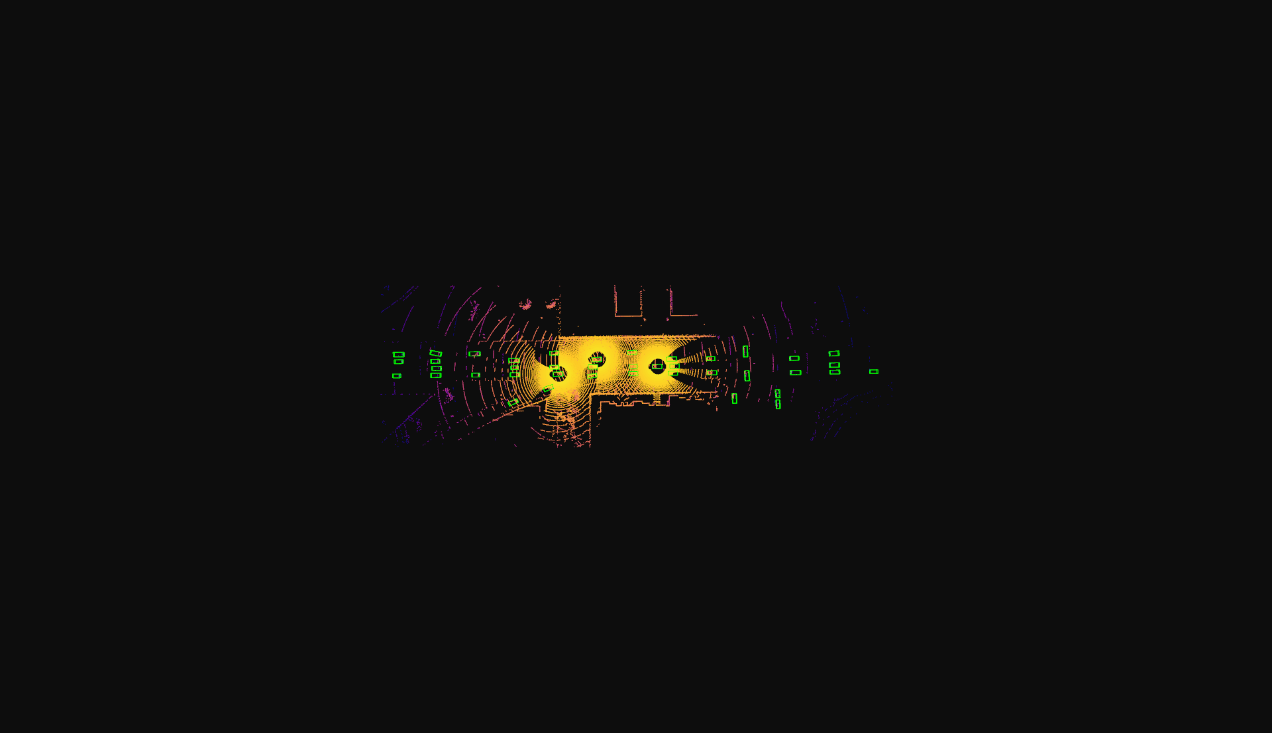
I extracted evaluation data from raw simulation files and organized comparisons across sensor configurations and cooperative-perception schemes. The analysis helped identify the most reliable hardware configuration among those tested.
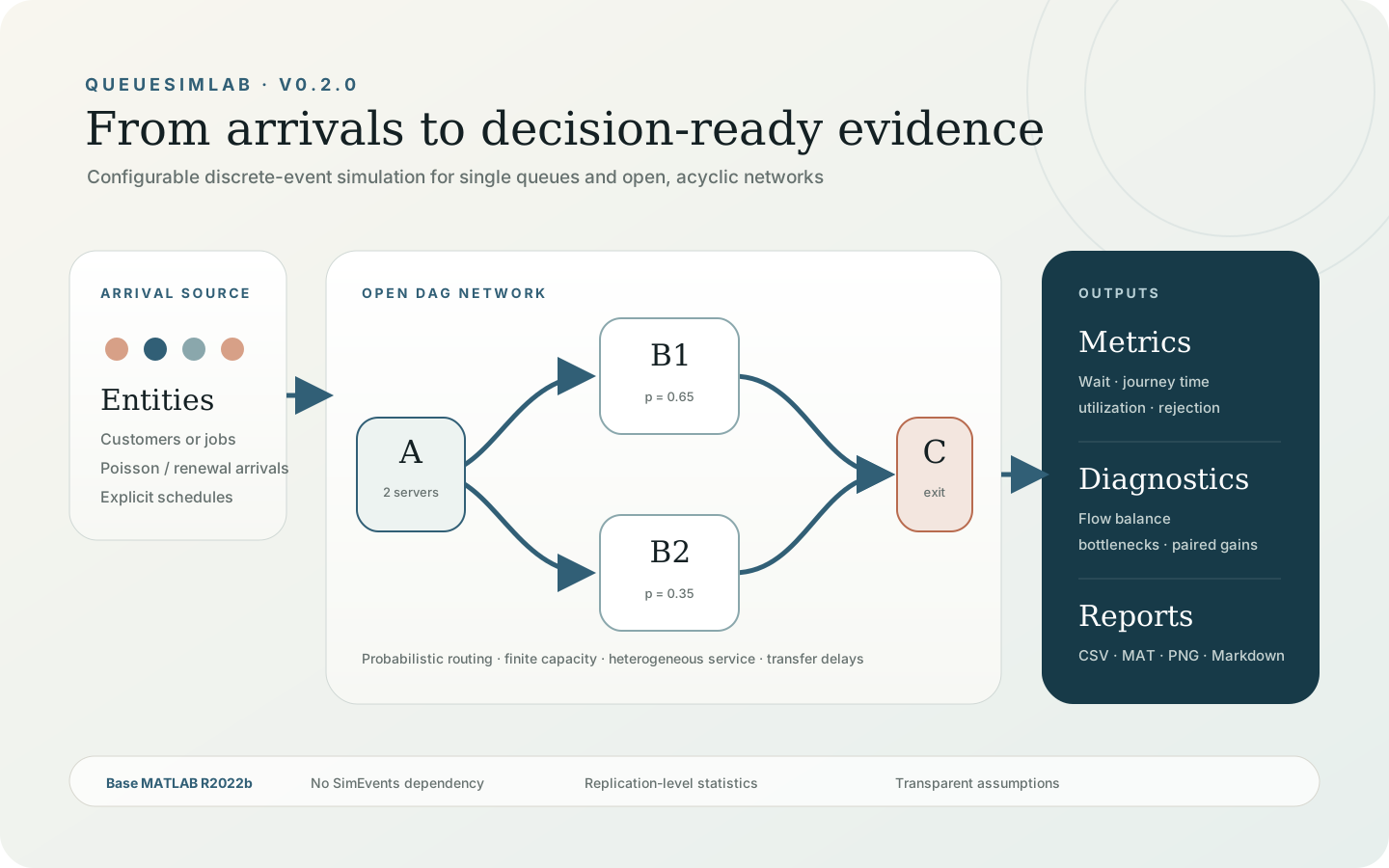
I developed an open-source MATLAB framework for reproducible experiments on single queues and open, acyclic queueing networks. It compares queue policies, staffing decisions, and network configurations using replication-level statistics and system diagnostics.
I am developing mathematical models and simulation tools for multi-UAV task allocation and coordinated routing, with a focus on scheduling strategies and fleet performance.
I am designing a unified geospatial data model to align road networks with image-derived traffic-control features. My work also includes vision-based detection and geolocation, OpenDRIVE generation, and cross-region validation.
I am interested in how individual vehicles, shared information, and infrastructure data shape transportation-system performance. I explore these questions through multi-agent scheduling, queueing simulation, and open digital twins for road networks.
Using models and optimization to study network performance, service reliability, and operating decisions.
How vehicles share information and coordinate their actions within a transportation network.
Assigning tasks and planning routes for multiple vehicles under shared constraints.
Building simulation and geospatial tools to compare strategies and represent transportation networks across regions.
Joint Program · Civil & Environmental Engineering
B.E. Transportation Engineering · GPA 4.53/5.00 · Top 2 in program
Transportation Management Intern · AI-assisted transit-time performance reporting
International summer program · Outstanding Student Certificate